Jet Pump

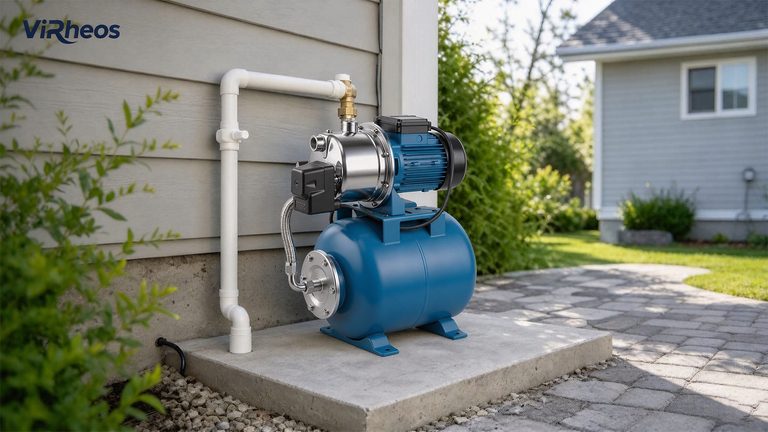
What Is the Price of a Jet Pump for a Borewell? A 2026 Cost Map for Buyers

This 2026 buyer guide explains borewell jet pump pricing variance. It breaks down price bands for shallow-well and convertible deep jet pumps, covering standalone unit rates and full installed system costs. Static water level is the core constraint: single‑pipe jet pumps only work within roughly 7.6 m suction lift, while two‑pipe ejector kits serve deeper boreholes. It analyses landed‑cost drivers including copper prices, motor specs, wetted materials, ISO 9906 test grades, certifications, MOQ and Incoterms. The guide also compares jet pumps with borewell submersibles, highlights recurring operational electricity and maintenance expenses, and gives a standard enquiry checklist to get comparable factory quotations for irrigation and rural water supply projects.

What Is the Price of a Jet Pump for a Borewell? A 2026 Cost Map for Buyers Read More »
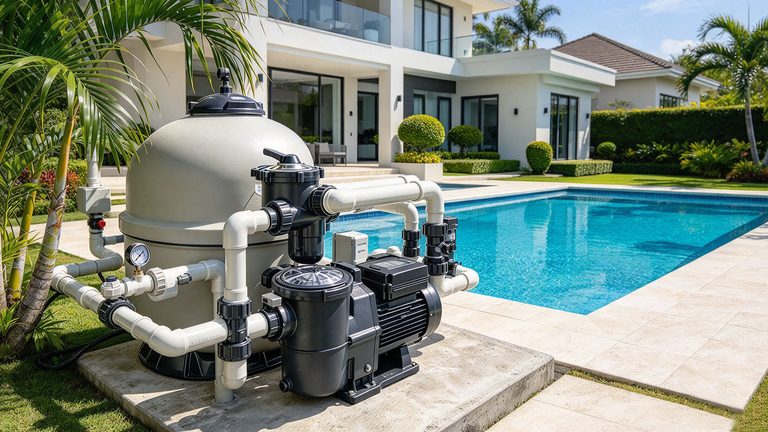
Sand Filter Pumps

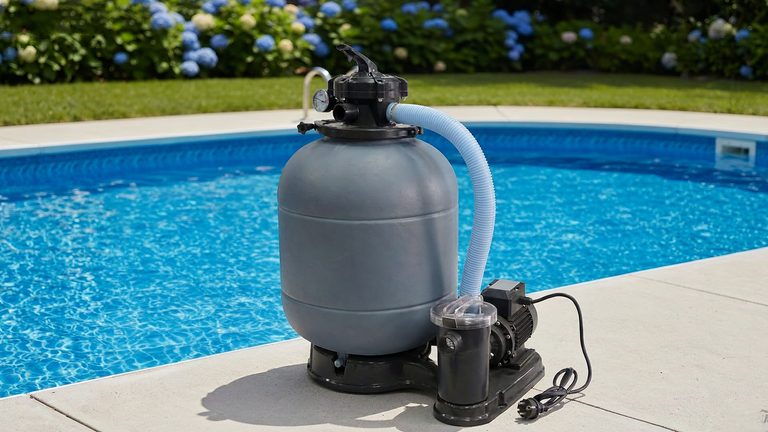
How Do Sand Filter Pumps Work? A Complete Working Principle Guide

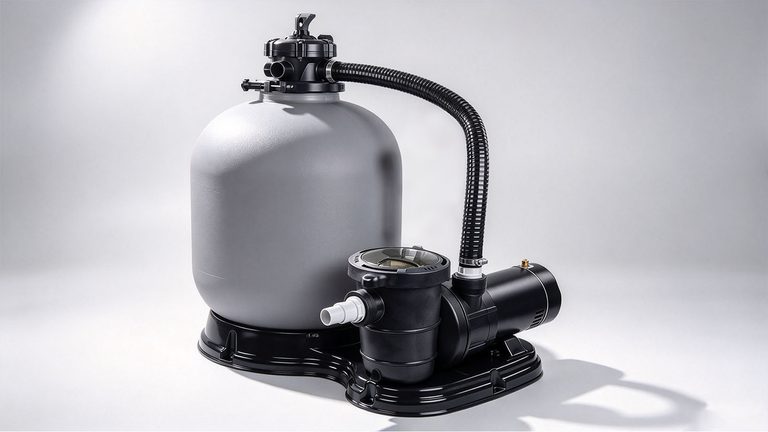
This complete guide explains sand filter pumps, a combined pump and granular media filtration system widely used for swimming pools. It breaks down the step‑by‑step filtration and backwashing cycle, filter types, media options, applicable industry standards including NSF/ANSI 50 and EN 16713, turnover‑based sizing methods and energy comparisons between single‑speed and variable‑speed pumps. It also covers operation routines, troubleshooting and FAQs for pool contractors, facility managers, distributors and OEM purchasers to avoid pump‑filter mismatches and reduce long‑term operating costs.

How Do Sand Filter Pumps Work? A Complete Working Principle Guide Read More »

Sewer Grinder Pump

Sewer Grinder Pump Lifespan: Common Failures & Maintenance Guide

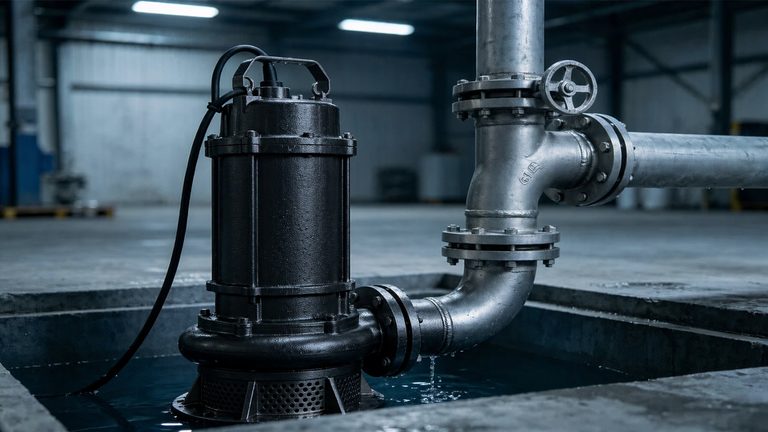
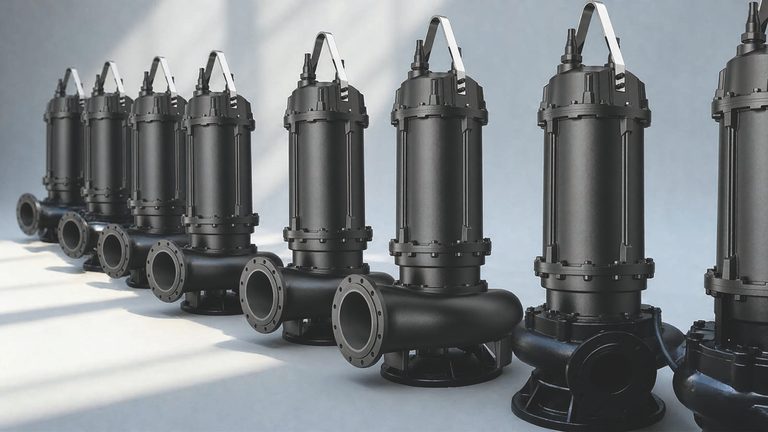
This guide explains submersible sewer grinder pumps for pressure sewer networks, covering working principle, SPD and centrifugal configurations, simplex and duplex stations. It covers typical lifespan data from field studies, most frequent failures including float sensors, check valves and mechanical seals, plus maintenance rules and prohibited flushing items. It lists required certifications such as UL 778 and NSF/ANSI 46, installation cost breakdown, pump curve selection guidance and alarm response steps for residential and light commercial sites.

Sewer Grinder Pump Lifespan: Common Failures & Maintenance Guide Read More »

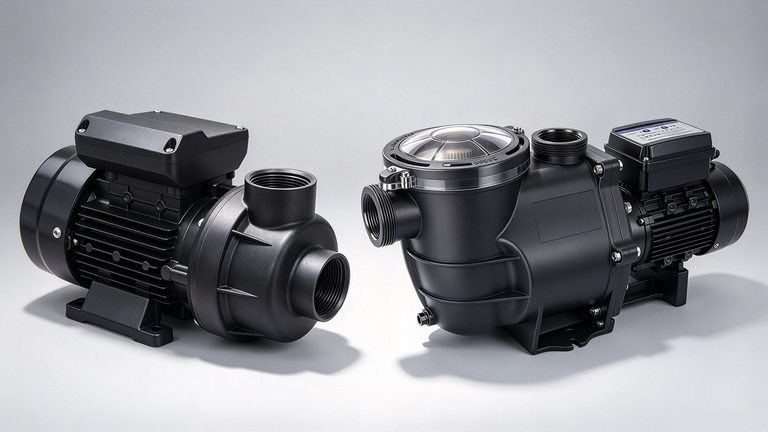
swimming pool pump 1

Why You Need a Swimming Pool Pump?Types, Turnover, Standards & Buying Guide

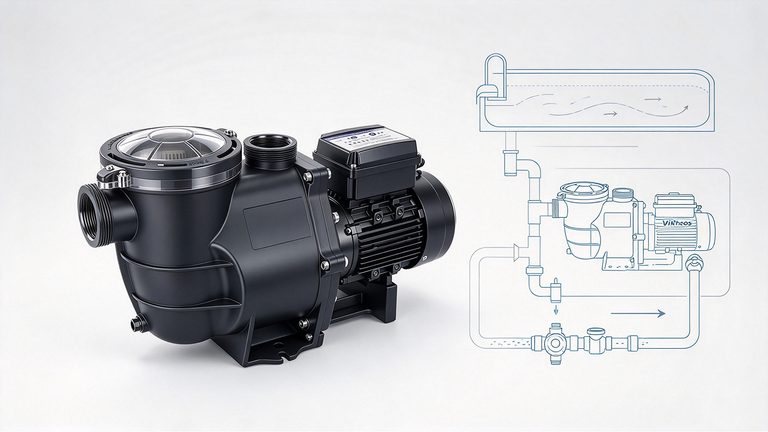
This guide explains why a swimming pool pump is essential for pool water circulation and sanitation. It introduces the structure and working principle of centrifugal pool pumps, explains turnover, affinity laws for energy savings, and outlines six core functions of pool pumps. It compares single‑speed, dual‑speed, variable‑speed, self‑priming and commercial pool pumps, covers key standards including NSF/ANSI 50, UL 1081 and DOE WEF requirements. It provides a nine‑step buying checklist, installation guidance, routine maintenance and common costly mistakes for residential in‑ground, above‑ground, spa and commercial swimming pools.

Why You Need a Swimming Pool Pump?Types, Turnover, Standards & Buying Guide Read More »

sump pump vs sewage pump

Can You Use a Sump Pump as a Sewage Pump?

A sump pump cannot serve as a sewage pump. Sump pumps move clean groundwater, while sewage ejector pumps handle toilet and fixture wastewater with 2‑inch solids clearance, sealed vented basins and larger discharge lines. Wrong substitution leads to clogs, motor stall and dangerous sewage backup. This article compares pump types, IPC code, sizing, velocity rules, maintenance and risks for residential installations.

Can You Use a Sump Pump as a Sewage Pump? Read More »

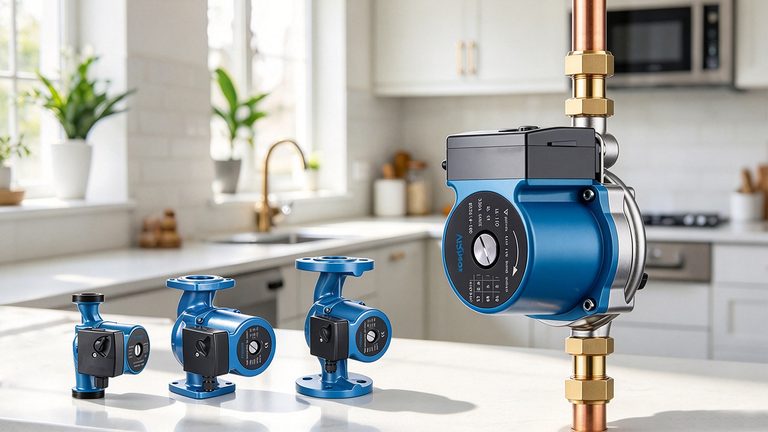
Hot Water Recirculating Pump

Where to Install a Hot Water Recirculating Pump: Location, Cost & Lifespan

This guide explains hot water recirculating pump placement rules, two common piping layouts: dedicated return line and cold-line crossover retrofit. It covers required components including check valves, air release valves and isolation valves. It breaks down installed costs by retrofit and new construction scenarios, expected service life (8–15 years), failure causes, drawbacks such as heat loss, warm cold water and Legionella risk, plus common commissioning issues and acceptance testing standards for residential domestic hot water recirculation systems.

Where to Install a Hot Water Recirculating Pump: Location, Cost & Lifespan Read More »

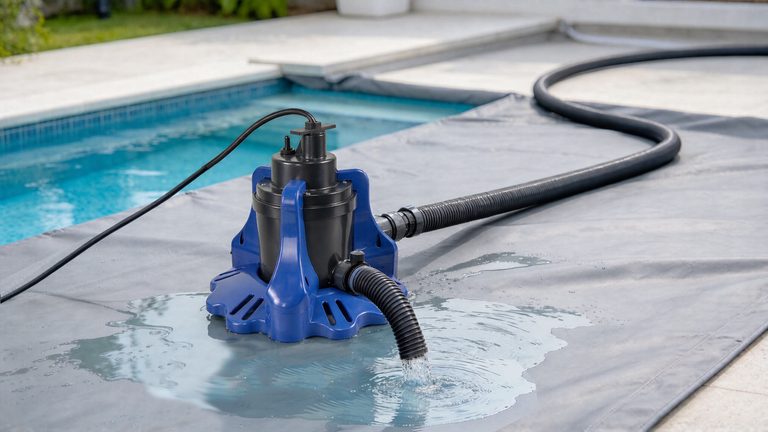
Pool Cover Pump

Pool Cover Pump Operation & Maintenance: A Field Guide

This practical field guide explains pool cover pump function, types, installation, routine operation, cold weather handling, winterization and storage. It includes a service schedule, troubleshooting table, operating parameters and common FAQs for pool contractors, resort and municipal facility teams, distributors and OEM buyers. It covers electrical codes, ASTM F1346 compliance, freeze damage prevention and pump specification guidance to extend service life.

Pool Cover Pump Operation & Maintenance: A Field Guide Read More »

Pool Filter System

Pool Filter System Cost & Runtime: What to Expect Before You Buy

This buying guide explains pool filter system runtime and operating costs for residential and commercial buyers, contractors and OEMs. It covers pool turnover calculation, three filter types (sand, cartridge, DE), pump speed types, DOE & NSF 50 standards, electricity consumption and consumable expenses. It compares upfront price vs 5-year total cost of ownership and shares a step-by-step sizing workflow to help evaluate quotations correctly.

Pool Filter System Cost & Runtime: What to Expect Before You Buy Read More »

Pool Cover Pump

Pool Cover Pump Basics & Buying Guide

This buying guide explains pool cover pumps: small low-profile submersible pumps to remove rain and meltwater from solid winter pool covers. It compares manual, float-switch and electronic sensor models, covers sizing by cover area and rainfall, safety standards including NEC 680, ANSI/UL 778, ASTM F1346 and EN IEC 60335-2-41. It also covers installation routine, freeze care, failure causes and specification tips for residential, commercial, municipal and OEM projects.

Pool Cover Pump Basics & Buying Guide Read More »

Hot Water Recirculating Pump

Is a Hot Water Recirculating Pump Worth It? Costs, Drawbacks & Problems

This article evaluates whether a residential hot water recirculating pump is worth the investment. It explains two common piping designs: dedicated return lines and retrofit thermal bypass (comfort) valves. It breaks down upfront installed costs, pump power consumption and the major hidden penalty — continuous pipe heat loss from the circulation loop. It compares different pump control strategies including 24/7 run, timers, aquastats and demand-triggered controls, with field data from DOE, CalNEXT and independent energy labs. Key downsides covered include cold-side warm water, copper erosion pinhole leaks, reduced heat pump water heater efficiency and Legionella bacteria risks. It covers typical failures, installation rules, service life and practical guidance: demand controls plus pipe insulation are critical for good tradeoffs between water savings, waiting time and extra energy cost.

Is a Hot Water Recirculating Pump Worth It? Costs, Drawbacks & Problems Read More »

Inground Pool Pump vs Above Ground Pool Pump

Inground Pool Pump vs Above Ground Pool Pump: The Differences That Actually Matter

An above ground pool pump is a smaller, non-self-priming pump installed at or below the pool water line, relying on gravity supply. An inground pool pump is a larger self-priming unit that can lift water above the water line and retain prime. They differ in head pressure, HP, plumbing, voltage, service life and energy cost and are usually not interchangeable.

Inground Pool Pump vs Above Ground Pool Pump: The Differences That Actually Matter Read More »

滚动至顶部